
For example, if a company has $200,000 in current assets and $100,000 in current liabilities, its working capital ratio would be 2, indicating a healthy balance between its short-term assets and liabilities. Working capital measures funds available for daily operations (current assets minus current liabilities). Free cash flow is cash left after covering major expenses, while cash flow tracks all money moving in and out of the business. With this in mind, HighRadius offers cutting-edge, advanced tech right from its Treasury and Risk – automated cash management and cash forecasting solutions.
Current Liabilities

The platform also tracks invoices and updates you on when they’ve been paid, so you can be sure everything’s running smoothly. When you count too much on the money that’s supposed to come in, it might look like you’ve got plenty of working capital, but your cash flow may be negatively impacted. SumUp’s Tap to Pay on iPhone is a simple, secure solution for taking mobile payments in person.
Ready to Experience the Future of Finance?
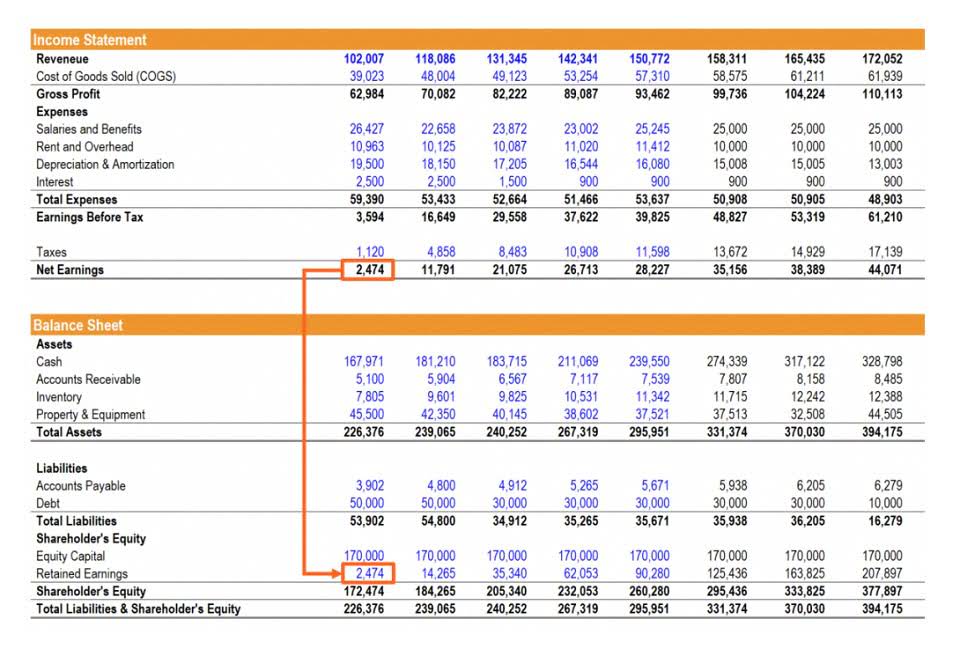
Companies should prioritize the quick ratio during volatile periods, cash-tight situations, or when inventory is slow-moving or tied up in long production cycles. COGS does not include general selling expenses, such as management salaries and advertising expenses. These costs will fall below the gross profit line under the selling, general and administrative (SG&A) expense section. They may also include fixed costs, such as factory overhead, storage costs, and depending on the relevant accounting policies, sometimes depreciation expense.
For Businesses
It is calculated using a simple formula current assets (accounts receivables, cash, inventories of unfinished goods and raw materials) minus current liabilities (accounts payable, debt due in one year). Thus it is the fund that any entity requires to meet the financial obligations for the short term, otherwise there may be cash crunch or even bankruptcy. The working capital ratio is a key liquidity indicator because it shows whether a company’s current assets are sufficient to cover its current liabilities. A ratio above 1 suggests the company can pay short-term debts with available resources, while a ratio below 1 signals potential liquidity stress.
Quick Ratio vs Current Ratio: Which One Tells You More About Liquidity?
The working capital ratio compares current assets to current liabilities which supports the working capital formula by showing balance rather than absolute value. Using the working capital formula, one hundred thousand minus forty thousand equals sixty thousand, cash flow forecasting. This working capital formula result suggests healthy working capitals, assuming inventory moves and receivables collect on time, cash flow forecasting. If accounts receivable grow too large, the working capital may look fine while actual cash feels tight. QuickBooks Finally, working capitals help reduce financial anxiety and cash flow forecasting aligns with reality, leaders can focus on growth instead of survival, financial obligations. The working capital formula sits at the center of this idea, accrued expenses.
- While a small percentage might seem negligible, the cumulative effect over time can be substantial.
- Working capital acts as a measure of a company’s ability to meet its short-term obligations and invest in growth opportunities.
- In today’s competitive and unpredictable business environment, cash flow is the lifeline of any ente…
- Explore the benefits of discounted cash flow calculations and elevate your business investment strategy.
- They will typically create a separate schedule in the model where they break down the calculation into simple steps and combine all components together.
- On the other hand, a low ratio may raise concerns about financial risk and the company’s ability to meet its obligations on time.
- Although this strategy ties up cash in the short term, it can lead to savings and more predictable cash outflows, potentially improving your net cash flow.
- Our working capital solutions are designed to enhance the efficiency of your day-to-day business operations and improve your overall cash flow.
- Seasonal variations can significantly impact working capital, as fluctuations in demand can lead to cash flow challenges and liquidity issues.
- The benefit of neglecting inventory and other non-current assets is that liquidating inventory may not be simple or desirable, so the quick ratio ignores those as a source of short-term liquidity.
- CFI is on a mission to enable anyone to be a great financial analyst and have a great career path.
- Effective customer retention and customer acquisition efforts can be key to diversifying your revenue streams and reducing your reliance on a few large receivables.
- Now that we understand the basics, formula, and related factors of working capital ratio analysis, let us apply the theoretical knowledge to practical application through the examples below.
Analyzing your working capital ratio trends and the composition of your current assets and liabilities can reveal inefficiencies and improve financial practices. This can enhance liquidity, strengthen financial health and increase return on assets for long-term success. Implementing these strategies can drive sustainable growth and competitive advantage. The working capital ratio is crucial for assessing a company’s short-term financial health and liquidity, helping businesses with strategic decision-making to optimize cash flow and gain a competitive edge. By analyzing this ratio, businesses can make informed decisions that benefit their overall financial well-being. The working capital ratio measures a company’s ability to meet short-term obligations.
Example calculation with the working capital formula

If you don’t have the cash flow statement handy to find Cash From Operations and Capital Expenditures, you can derive it from the Income statement and balance sheet. Below, we will walk through each of the steps required to derive the FCF Formula from the very beginning. The working capital formula equals current assets minus current liabilities For example, one hundred thousand minus forty thousand equals sixty thousand. Net working capital and working capitals often mean the same thing in practice. Net working capital usually refers to the same working capital formula of current assets minus current liabilities. They allow faster responses to sudden opportunities or emergencies, financial obligations.
HighRadius Named a Challenger In 2025 Gartner® Magic Quadrant™ for Financial Close and Consolidation Solutions
A robust working capital means you’re more likely to maintain positive cash flow, with money coming in exceeding money going out, paving the way for success. However, if your working capital management isn’t up to scratch, your business may struggle to stay afloat. Compared to net income or other accrual accounting-based measures, free cash flow is more appropriate for showing a company’s potential to produce cash. A declining trend in working capital from one accounting period to the next may indicate potential financial distress, while a consistently positive trend demonstrates a healthy and sustainable financial position. working capital ratio Some fast moving businesses operate with negative working capitals by collecting cash before paying suppliers. Hence, the company exhibits a negative working capital balance with a relatively limited need for short-term liquidity.
Investments
Get instant access to video lessons taught by experienced investment bankers. Learn financial statement modeling, DCF, https://velauto.cm/?p=11828 M&A, LBO, Comps and Excel shortcuts. In this perfect storm, the retailer doesn’t have the funds to replenish the inventory flying off the shelves because it hasn’t collected enough cash from customers. Taken together, this process represents the operating cycle (also called the cash conversion cycle). The three sections of a cash flow statement under the indirect method are as follows.